


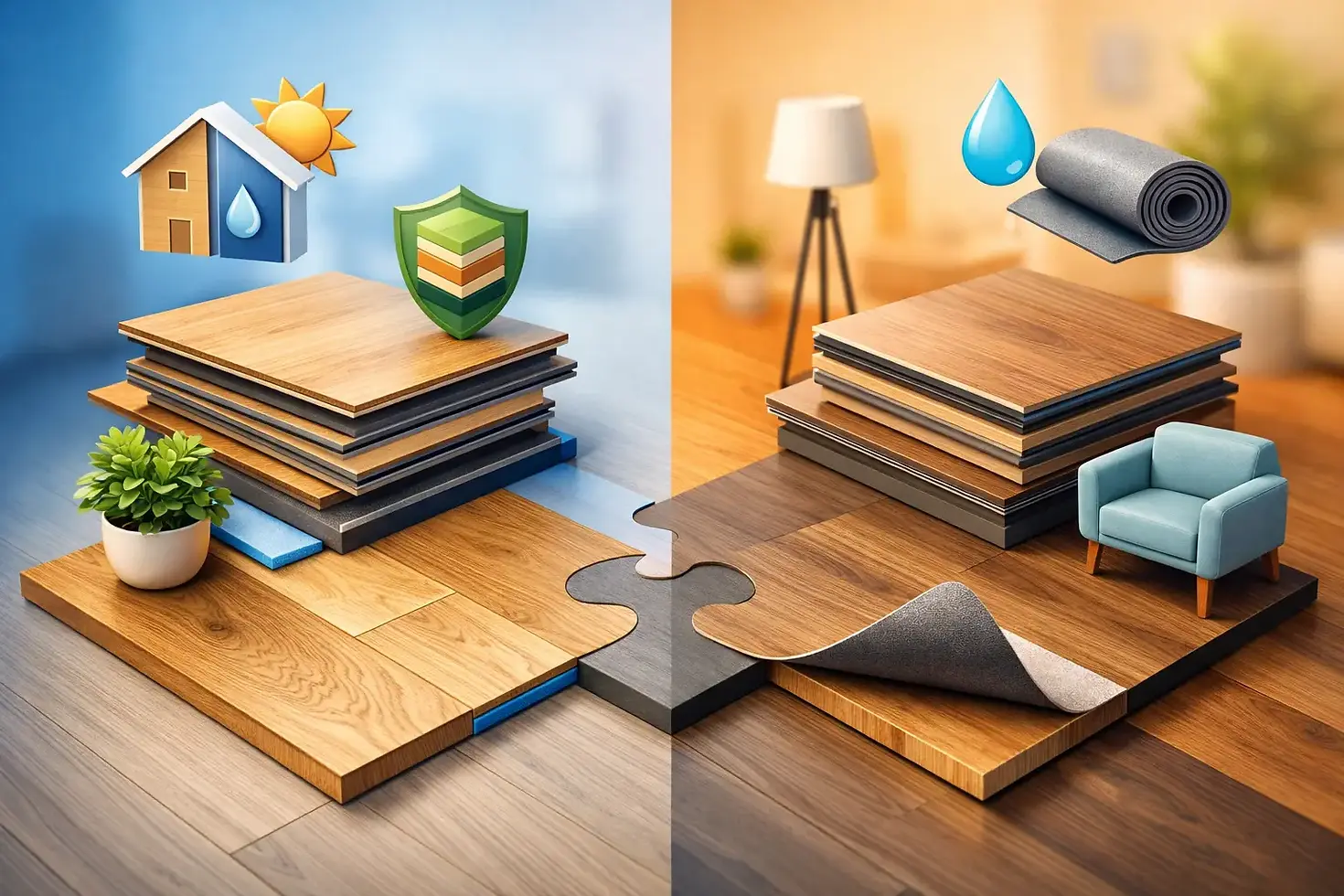
Hybrid Flooring vs Vinyl: Which Suits You?
- Anderson Scarabelot
- Jun 3
- 6 min read
Choosing new floors often sounds simple until you are standing in a showroom wondering why two timber-look products feel so different underfoot. When clients ask us about hybrid flooring vs vinyl, they are usually trying to balance three things at once - appearance, durability and budget. The right answer depends on how the space is used, what sits underneath the floor, and how much wear the room will see over the years.
Both products are popular for a reason. They are practical, lower maintenance than traditional timber, and well suited to busy Australian homes. But they are not interchangeable. If you are renovating, building, or replacing tired flooring, it helps to understand where each one performs well and where the trade-offs start to show.
Hybrid flooring vs vinyl: the real difference
At a glance, hybrid flooring and vinyl can look very similar. Both are available in timber-look designs, both are easier to maintain than solid timber, and both can handle everyday family life. The main difference comes down to construction.
Hybrid flooring is typically a rigid plank product made with a limestone or composite core, topped with a decorative layer and a protective wear layer. That rigid core gives it a firmer feel and helps it bridge over minor subfloor imperfections better than softer products. It is generally installed as a click-together floating floor.
Vinyl flooring is a broader category. In many homes, this means luxury vinyl planks or vinyl sheets. Vinyl is usually more flexible than hybrid, and depending on the product, it may be glued down or laid in another format. It tends to feel a little softer underfoot and can be a very practical option where comfort and affordability matter most.
This is why a straight comparison is not always apples with apples. Some premium vinyl products outperform entry-level hybrid options, and some high-quality hybrid ranges offer a stronger overall result than basic vinyl. Product quality and installation matter just as much as the label.
Durability in busy homes
For family homes with kids, pets and regular foot traffic, durability is usually the first concern. Hybrid flooring has built a strong reputation here because of its rigid construction and waterproof surface. It copes well with daily wear in living areas, hallways and kitchens, especially when paired with the right wear layer and proper installation.
Vinyl also performs well in busy homes, particularly good-quality luxury vinyl planks. It resists scratches and scuffs reasonably well, but softer vinyl can be more prone to dents from heavy furniture or concentrated impact. If you have dining chairs moving in and out all day, or heavy appliances nearby, the difference can become noticeable over time.
That said, no flooring is indestructible. A dog with long nails, a dragged fridge or grit brought in from outside can mark both surfaces. The better question is which product will hold its appearance longer in your specific rooms. In many South Australian homes, hybrid is often the stronger all-rounder for hard-working spaces, while vinyl remains a solid option where the wear level is moderate and budget is tighter.
Waterproof performance and wet areas
One of the biggest reasons homeowners compare hybrid flooring vs vinyl is waterproofing. Both are often marketed as water-resistant or waterproof, but the detail matters.
Hybrid flooring is well known for being suitable in areas where spills are common, such as kitchens, laundries and general living spaces. Its waterproof core makes it a practical option for everyday accidents and easier maintenance. Many homeowners like the confidence that comes with that, especially in open-plan homes.
Vinyl is also highly water-resistant and, in many cases, waterproof. Sheet vinyl in particular has long been used in wet-prone areas because it offers excellent moisture resistance. Luxury vinyl planks can also perform very well, but the quality of joins, adhesives and subfloor preparation plays a big role.
Bathrooms are where people often assume any waterproof product will do. In reality, wet area suitability depends on the exact product, installation method and site conditions. Surface water is only part of the story. Moisture movement from below, poor sealing and uneven subfloors can all affect long-term performance. That is why professional guidance matters more than marketing claims.
Comfort, feel and noise underfoot
Flooring is not just about what you see. It is also about what you feel every day.
Hybrid flooring tends to feel firmer and more substantial underfoot because of its rigid core. Many people like that solid feel, especially if they want a floor that feels stable and premium. It can also create a crisp, clean finish across open spaces.
Vinyl usually feels a bit softer and warmer underfoot. In bedrooms, upper levels or homes where comfort is the priority, that can be a real advantage. It may also help reduce some footfall noise depending on the product and how it is installed.
Still, comfort is influenced by more than the plank itself. The underlay, subfloor condition and installation method all affect sound and feel. A poorly prepared floor can make even a premium product feel average. A properly levelled subfloor and well-executed installation can lift the result considerably.
Appearance and style
Both hybrid and vinyl have come a long way in appearance. Timber-look designs are more realistic than they used to be, with better embossing, more natural colour variation and wider plank formats. For most homeowners, either option can deliver a polished, modern result.
Hybrid flooring often appeals to buyers who want a floor with a little more presence. The rigid board construction can give it a slightly more substantial look and feel, which suits newer homes and renovations aiming for a premium finish.
Vinyl offers plenty of attractive designs too, and in some projects it is the smarter style choice because it can deliver the look you want at a lower price point. If the flooring is going into an investment property, a secondary living zone or a renovation with strict budget limits, vinyl may provide better value without compromising the overall aesthetic.
The key is to look beyond the sample board. Large areas, natural light and room transitions can change how a floor reads in the home. Colour selection should work with cabinetry, wall tones and the amount of daylight the room receives.
Cost and long-term value
Budget matters, but the cheapest quote is not always the cheapest floor in the long run.
Vinyl is often the more affordable starting point, particularly in standard product ranges. That can make it attractive for cost-conscious renovations or properties where every finish needs to be carefully managed. If you choose a quality product and install it correctly, vinyl can offer excellent value.
Hybrid flooring usually sits a bit higher in price, but many homeowners see that as money well spent for the extra rigidity, waterproof performance and stronger everyday durability. For owner-occupiers planning to stay put, the difference in upfront cost can be worthwhile if it means fewer compromises on feel and performance.
What often gets overlooked is subfloor preparation. Uneven concrete, moisture issues or old flooring residue can affect both hybrid and vinyl. Proper floor levelling, grinding and preparation are not optional extras if you want a long-lasting finish. They are part of the job. A premium product installed over a poor subfloor will not perform as it should.
Which one should you choose?
If you want a durable, waterproof floor for high-traffic family living, hybrid is often the safer choice. It suits open-plan homes, kitchens, hallways and renovation projects where a more solid underfoot feel is preferred.
If comfort, affordability and design flexibility are higher priorities, vinyl may be the better fit. It can work beautifully in bedrooms, lighter-use areas and projects where keeping costs under control is part of making the renovation viable.
For many households, the decision is less about which product is better overall and more about which one is better for that room, that home and that budget. A well-selected floor should suit the way you live, not just look good on installation day.
At Thinking Flooring, that is usually where the best outcomes start - with honest advice, careful product selection and proper preparation before a single plank goes down.
A good floor should make everyday life easier. If you are weighing up hybrid and vinyl, focus on how the space is used, how long you want the result to last, and whether the installation will be done properly from the ground up. That is what turns a nice-looking floor into one you stay happy with for years.


Comments